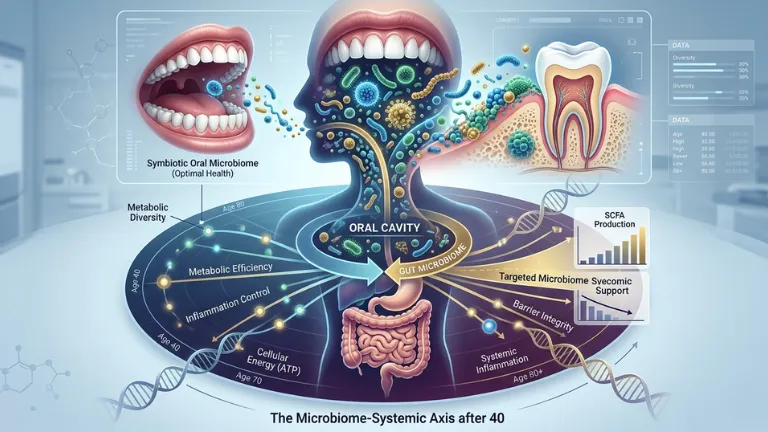
The Role of the Microbiome in Longevity: The Science of Aging Gut Health
For decades, conventional medical wisdom suggested that aging was simply a predetermined countdown dictated entirely by our genetics. However, emerging research in cellular biology and longevity science has revealed a far more dynamic truth. One of the most critical drivers of how well—and how long—we age resides right inside our digestive tract: the human microbiome.
As we cross the age of 40, our cellular repair mechanisms naturally slow down. Concurrently, the composition of our microbial ecosystem undergoes a profound shift. This shift dictates far more than just how we digest our food; it directly influences our baseline inflammatory markers, cognitive longevity, and overall metabolic efficiency.
Understanding this internal ecosystem is no longer just a topic for gastrointestinal specialists—it is the modern cornerstone of proactive longevity management.
The Microbiome-Metabolism Axis After 40
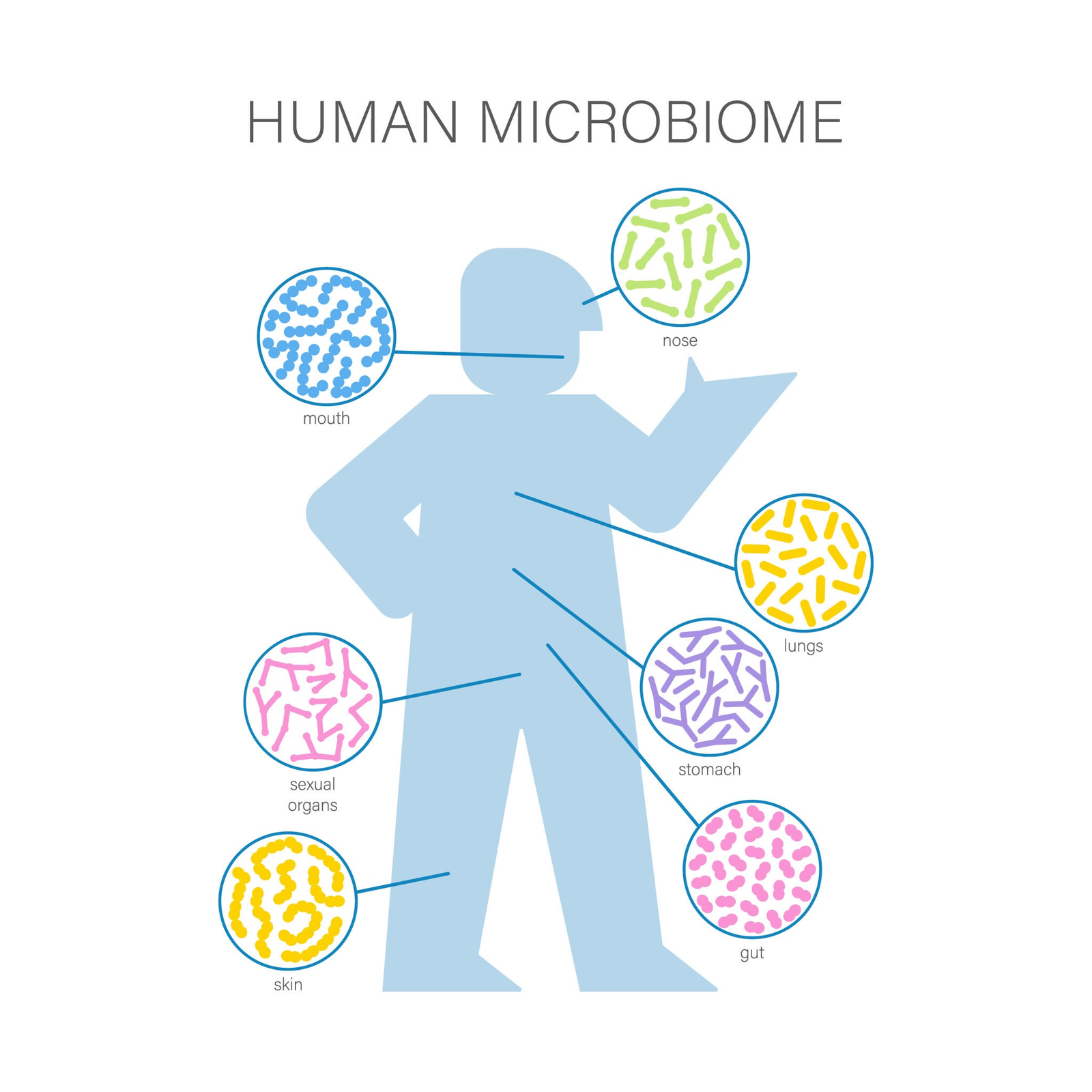
The human gut houses trillions of microorganisms, primarily bacteria, that function collectively as a complex metabolic organ. This ecosystem is responsible for synthesizing essential vitamins, extracting nutrients from dietary intake, and maintaining the structural integrity of the intestinal barrier.
When we analyze the internal flora balance, we generally categorize these microscopic inhabitants into three distinct functional groups:
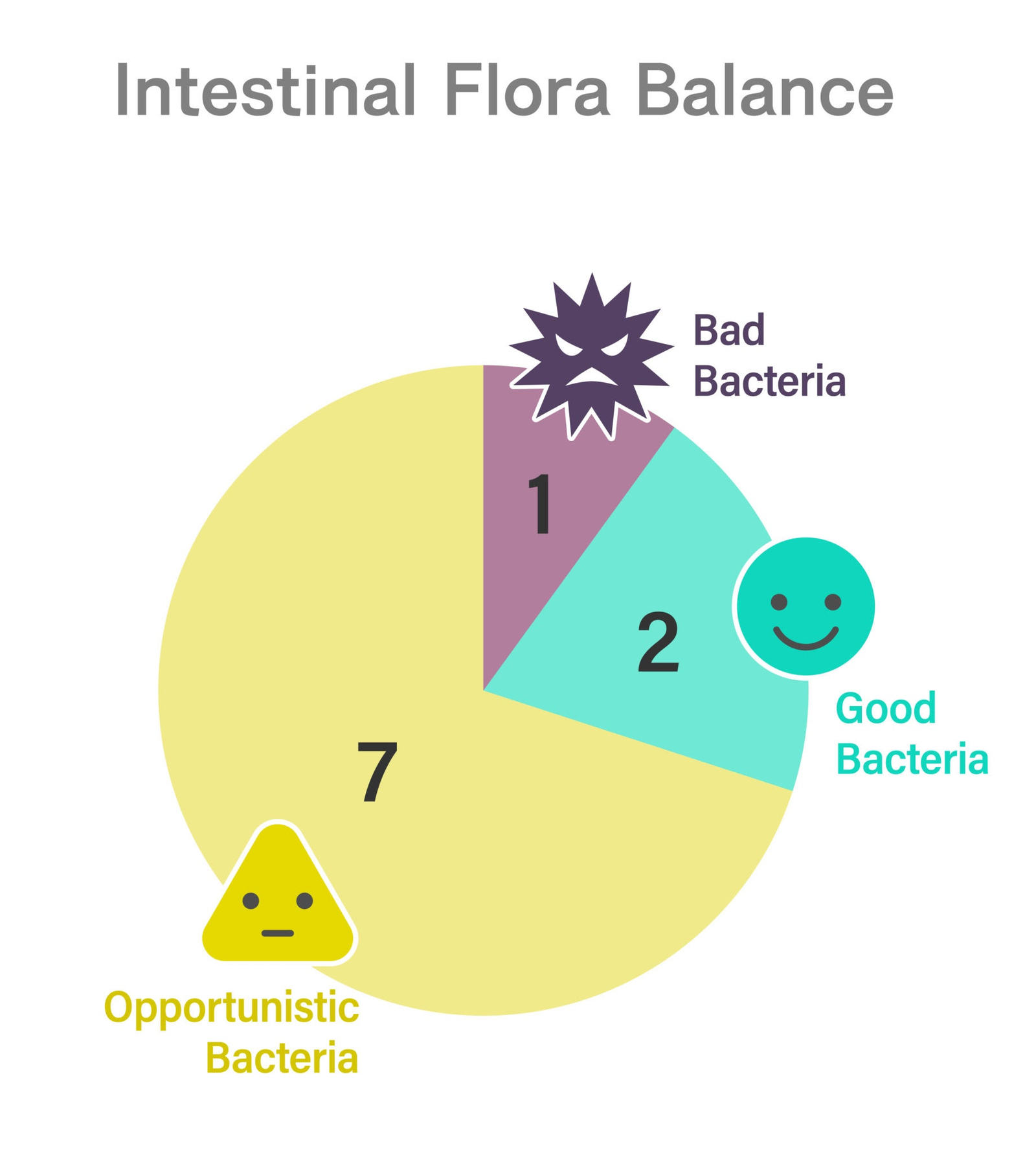
As the body ages, the fragile balance between these groups frequently destabilizes. Research indicates that older adults typically experience a marked decline in microbial diversity, specifically a reduction in beneficial Bifidobacteria and specialized Lactobacillus strains.
When the proportion of “Good Bacteria” shrinks, “Opportunistic Bacteria” or outright “Bad Bacteria” can colonize the vacant space. This systemic imbalance is known as dysbiosis. Dysbiosis triggers a slow, continuous leak of microbial byproducts—such as lipopolysaccharides (LPS)—into the bloodstream, creating a state of chronic, low-grade systemic inflammation that longevity researchers call “inflammaging.”
How Microbial Health Dictates True Cellular Longevity
The mechanisms connecting a diverse gut microbiome to an extended healthspan operate primarily through three distinct pathways:
1. Short-Chain Fatty Acid (SCFA) Production
Beneficial microbes ferment dietary fibers to produce critical SCFAs, most notably butyrate, acetate, and propionate. Butyrate serves as the primary energy source for the cells lining your colon. Without adequate SCFA production, the intestinal barrier weakens, leading to increased systemic inflammation and metabolic dysfunction.
2. Metabolic Regulation and Insulin Sensitivity
Your gut microbes communicate directly with metabolic tissues, including your liver and adipose (fat) tissue. A balanced, diverse microbiome stimulates the secretion of metabolic hormones like GLP-1, which naturally helps regulate blood sugar levels and optimize how your body utilizes fats and carbohydrates for energy.
3. Epigenetic Signaling
Emerging data shows that microbial metabolites can act as signaling molecules that influence gene expression. A healthy, robust microbiome can upregulate genes associated with cellular defense and DNA repair, while downregulating pathways that drive premature cellular senescence (cellular aging).
Actionable Strategies to Optimize Your Microbial Age
Reversing age-related microbial decline requires a targeted, scientifically grounded approach rather than generic dietary trends.
- Prioritize Complex Prebiotic Fibers: Introduce diverse sources of inulin, chicory root, jerusalem artichoke, and leeks to feed existing beneficial strains.
- Introduce Targeted Probiotic Strains: Look for clinically validated strains such as Lactobacillus paracasei, B.lactis BL-04, and Lactobacillus reuteri which directly support barrier function and metabolic pathways.
- Mitigate Microbial Disruptors: Minimize systemic stressors that compromise your gut environment, including chronic sleep deprivation, environmental toxins, and highly processed emulsifiers found in modern shelf-stable foods.
By actively maintaining the diversity and population of your internal ecosystem, you provide your body with the biological foundation required to maintain high energy, efficient fat metabolism, and systemic resilience well into your golden years.